
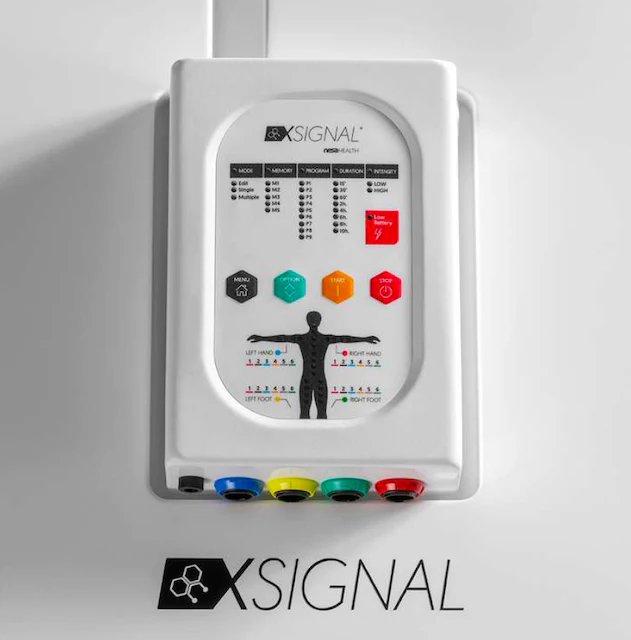
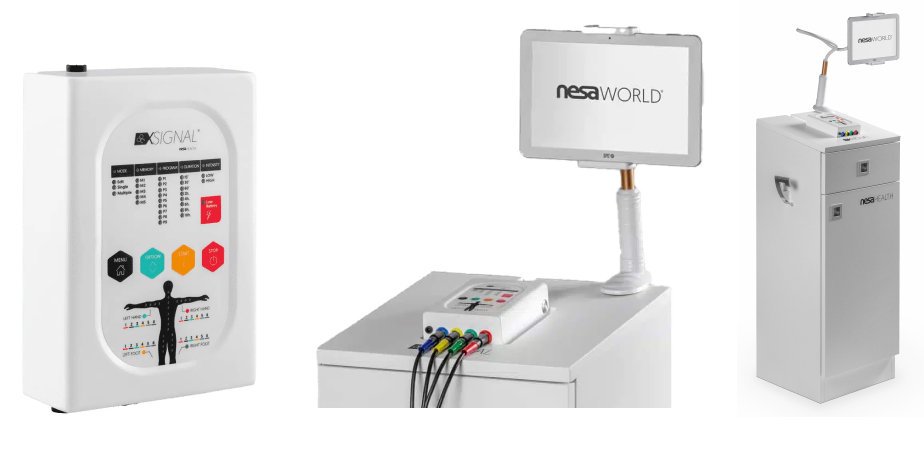
The XSignal® medical device is a non-invasive global neuromodulator, unique in the world and endorsed as medical technology.
– Designed to deliver up to 19,000 bioelectric pulses per minute, equivalent to more 1,100,000 pulses per hour
– NESA® microcurrents intelligently coordinate pulses at physiological frequencies between 1 to 14 Hertz with intensity of 0.1 to 1 mA
– Lasting effects over time, leading to significant clinical improvements, especially in ANS (Autonomic Nervous System) alteration areas
Description of Non-Invasive Neuromodulation 3D (4K) NESA® 2020 (By NesaWorld)
Nesa XSignal® utilizes low-frequency microcurrent signals that interact with the peripheral nervous system.
Through a structured stimulation protocol, the device aims to:
The stimulation is non-invasive and designed for patient comfort.
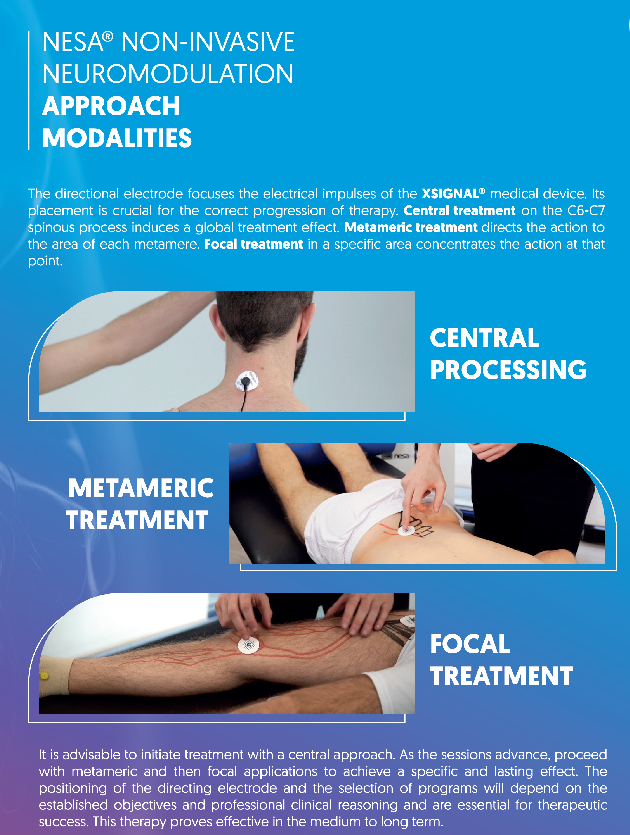
The directional electrode focused the electrical impulses of the XSignal® medical device. Its placement is crucial for the correct progression of the therapy.
The electrode will change its place as the sessions progress.
NESA XSignal® may be used by healthcare professionals in the management of:
– Stress-related conditions
– Sleep disturbance
– Chronic fatigue
– Neuromuscular support
– Autonomic imbalance support
NESA XSignal® may be used by healthcare professionals in the management of:
– Stress-related conditions
– Sleep disturbance
– Chronic fatigue
– Neuromuscular support
– Autonomic imbalance support
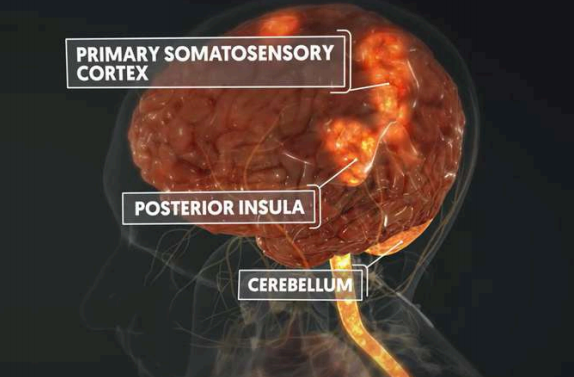
NESA® microcurrents support the body’s natural bioelectric activity by promoting proper nerve signal flow, especially in areas affected by dysfunction. Through gentle neuromodulation, the technology helps regulate the autonomic nervous system and pain modulation pathways, contributing to effective pain reduction. Clinical observations have shown promising outcomes in managing chronic and neuropathic pain, with results varying based on condition severity and treatment duration.
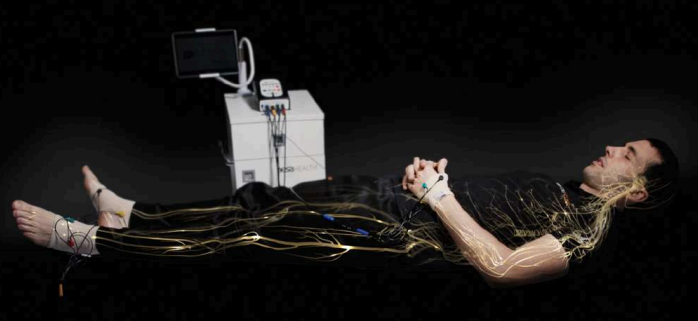
NESA® neuromodulation supports athletes by helping regulate nervous system activity linked to stress, tension, and focus. As a non-invasive solution, it may enhance recovery, improve sleep quality, and support concentration during training and competition. Preliminary studies in team sports have shown promising improvements in athlete well-being, fatigue reduction, and performance-related outcomes.
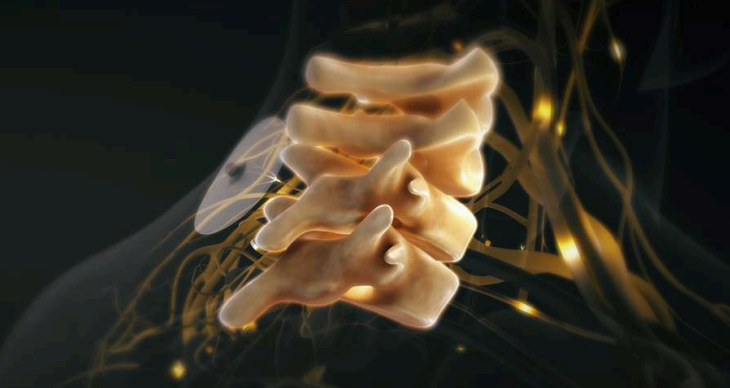
NESA® neuromodulation is being studied for its role in supporting recovery from traumatic and post-surgical conditions. The non-invasive therapy aims to reduce pain, improve mobility and functionality, and enhance overall quality of life. Early studies have shown positive correlations in pain and movement improvement, while ongoing clinical trials are evaluating its effectiveness in knee replacement and ACL surgery recovery.
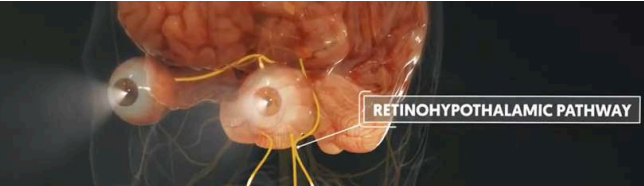
NESA® neuromodulation supports autonomic nervous system regulation, which plays an important role in sleep quality. Preliminary studies in athletes and students have shown improvements in sleep duration, REM sleep, and overall sleep quality following treatment. Ongoing research continues to explore its potential as a complementary, non-invasive approach to support sleep, stress management, and recovery, including in post-COVID patients.
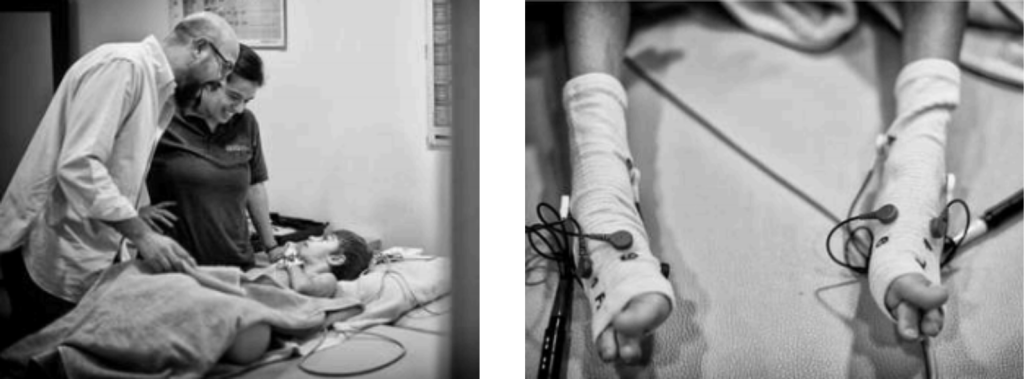
NESA® neuromodulation is being explored in neurological care to support pain management, functional recovery, and quality of life. Early studies have reported positive outcomes in conditions such as complex regional syndrome, trigeminal neuralgia, multiple sclerosis, and stroke. Ongoing research in pediatric and geriatric populations also shows promising improvements in sleep quality, stress, and related symptoms through this non-invasive approach.
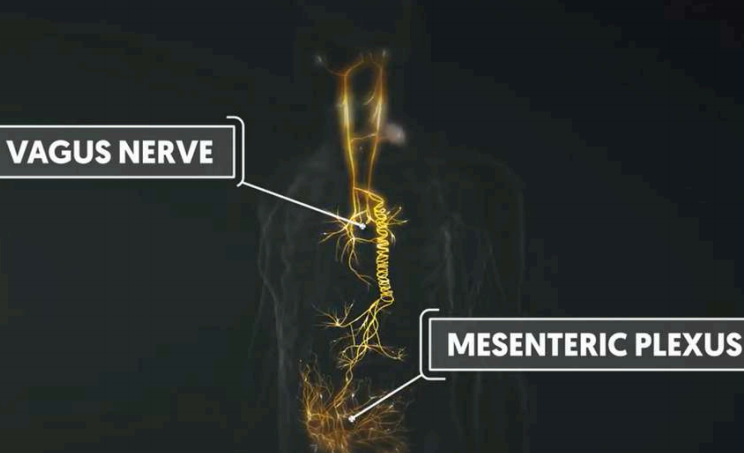
NESA® microcurrents support vagal neuromodulation by influencing key neural pathways involved in pain regulation and autonomic balance. This non-invasive approach may be beneficial for migraine and headache management, including cluster headaches. Ongoing physiological studies are evaluating its effects on peripheral and cranial nerves to further understand its impact on the nervous system and ensure safe, targeted application.
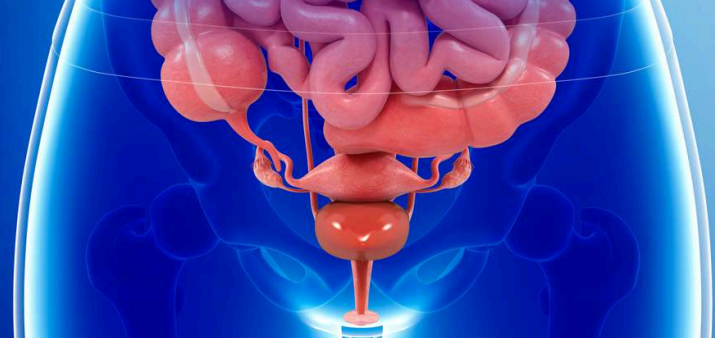
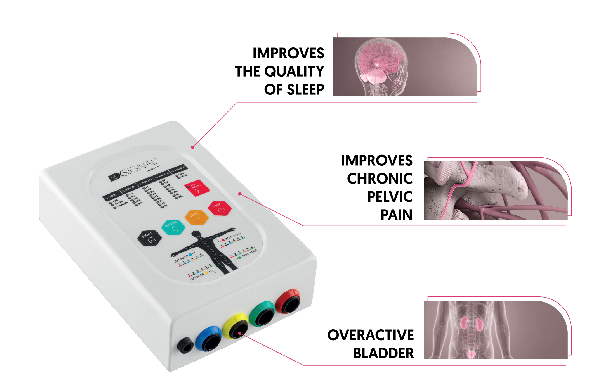
NESA® neuromodulation offers a non-invasive approach for managing urogynecological conditions such as overactive bladder and chronic pelvic pain. By supporting autonomic nervous system regulation, it may help improve bladder control, reduce symptoms, and enhance quality of life. Clinical and pilot studies have reported promising outcomes, particularly in patients who do not respond adequately to conventional treatments.